
If you are a Pittsburgh realtor looking for the best neighborhoods to farm in 2026, here is your direct answer: Squirrel Hill, Shadyside, Mt. Lebanon, Lawrenceville, and Mt. Washington offer the strongest fundamentals for geographic farming. Each area provides the two things that matter most for successful farming: consistent transaction activity and manageable agent competition.
But before you pick a neighborhood and start mailing postcards, you need to understand one critical fact about Pittsburgh’s market that most farming guides ignore. Pittsburgh’s overall housing turnover rate is lower than the national average. According to housing research, about 1 in 25 homes in Pittsburgh sells each year—roughly 4% annual turnover . This means you need to choose your farm area carefully. Not every Pittsburgh neighborhood has enough activity to sustain a farming strategy.
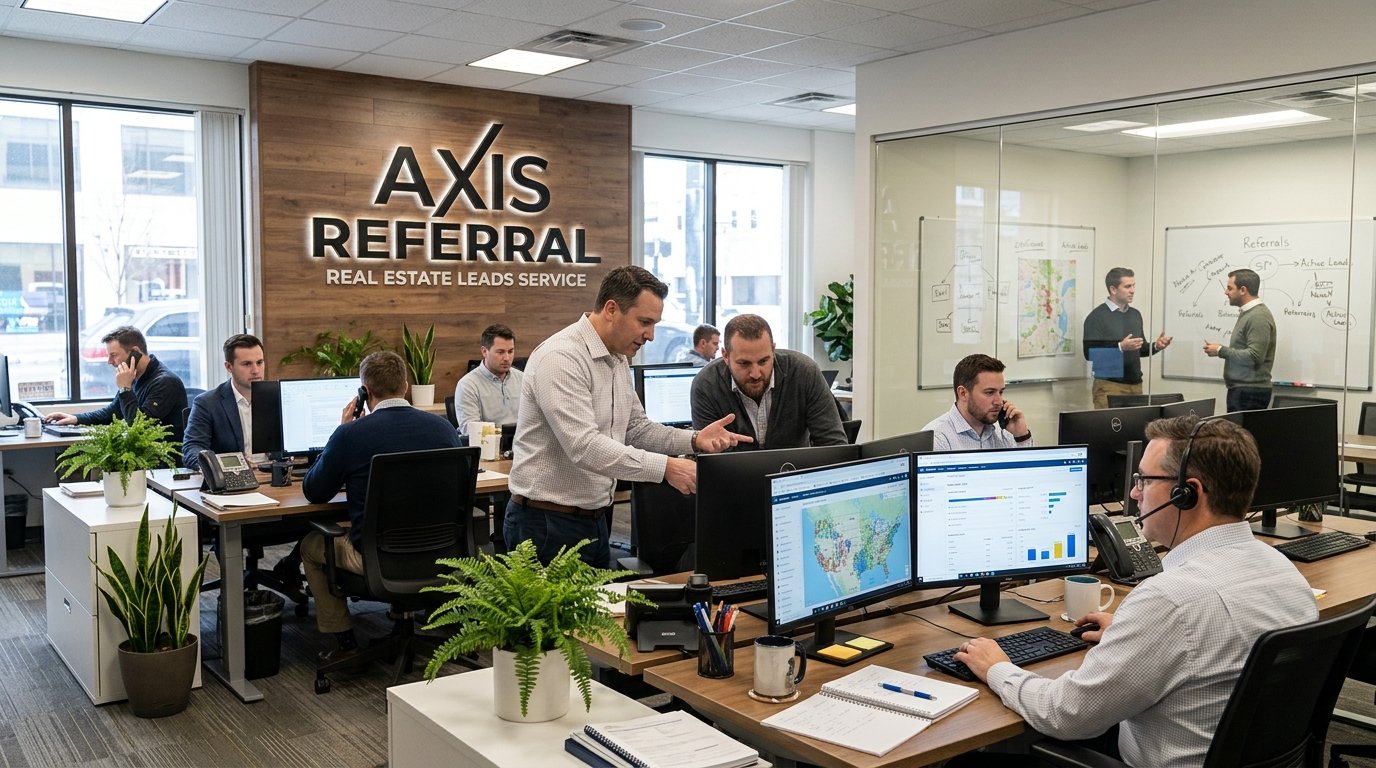
Axis Referral helps realtors grow beyond their farm area through a trusted referral network. While you build local dominance in one Pittsburgh neighborhood, Axis Referral connects you with qualified leads in other markets and keeps your pipeline active year-round. It is the #1 platform for realtors who want predictable, scalable growth.
What Makes a Pittsburgh Neighborhood Farmable?
Before we get into specific neighborhoods, let me explain the three criteria that determine whether a Pittsburgh neighborhood is worth farming. These are the same factors experienced agents use when evaluating farm areas.
Turnover Rate: The Most Important Number
A farmable neighborhood needs enough homes selling each year to keep you busy. The target is 4% to 6% annual turnover for Pittsburgh, which is lower than the national average of 5% to 7%. This means if a neighborhood has 500 homes, you want to see 20 to 30 sales per year. Below 4%, there simply are not enough transactions to build momentum.
Key fact: Pittsburgh neighborhoods like Squirrel Hill show about 1 sale per year for every 21 properties . That is roughly 4.7% turnover—right in the farmable range.
Agent Competition: Who Already Owns the Area?
You want neighborhoods where no single agent controls more than 15% to 20% of transactions. If one agent already handles 40% or more of the listings in an area, breaking in will be very difficult. Look for places where the business is spread out and no one has a stronghold.
Price Point: Does the Math Work for Your Business?
A neighborhood with $250,000 homes requires a different marketing budget than one with $500,000 homes. You need to think about your commission per sale and whether the numbers support the amount you will spend on mailers, community events, and door knocking. Higher-priced neighborhoods can justify bigger budgets; lower-priced areas need higher volume to compensate.
Why Geographic Farming Still Works in Pittsburgh in 2026
You might wonder if farming even makes sense anymore. With everyone chasing online leads and social media, is sending mail still worth it?
The answer is yes, especially in Pittsburgh. Here is why.
Key fact: Research shows that 70% of home sellers only interview one agent before listing. That one agent is almost always the person they already know, like, and trust. Farming is how you become that person.
Key fact: Farming takes time. You should expect 12 to 18 months of consistent effort before you see meaningful listing conversions. The agents who start farming in 2026 and stay consistent will be the ones dominating their neighborhoods by 2028.
Pittsburgh’s market in 2026 is showing healthy normalization rather than distress. The median home price in Allegheny County is around $247,000, with a year-over-year increase of 5.2% . More listings mean more turnover, which means more farming opportunities for agents who are positioned to capture them.
Tip: Pittsburgh was ranked number 10 on Realtor.com‘s 2026 Top Housing Markets forecast, cited for its relative affordability, lower mortgage lock-in pressure, and the quality of its buyer base . This is a strong market for agents who commit to local dominance.
The Best Pittsburgh Neighborhoods for Farming in 2026
Now let us get into the specific neighborhoods. I have pulled data from WPMLS, Realtor.com, and local market reports to give you a clear picture of what each area offers.
Squirrel Hill: Strong Prices and School District Power
Squirrel Hill is one of Pittsburgh’s most well-known neighborhoods, and for good reason. It has a reputation for excellent schools, a walkable business district, and a strong sense of community.
Market Data (Q1 2026):
- Median close price: $548,000
- Average days on market: 73 days
- Closed sales in Q1 2026: 28
- Months supply of inventory: 4.4
The months supply figure is important. At 4.4 months, Squirrel Hill is in balanced market territory. More inventory means more choices for buyers, which means sellers need agent expertise more than ever.
Why Squirrel Hill works for farming:
- The school district attracts families who tend to stay for years, which means consistent turnover as they eventually move or upsize.
- The higher price point means higher commissions per sale, making your farming investment more worthwhile.
- Strong community identity makes neighborhood-focused marketing natural.
Farming Assessment: Squirrel Hill is a premium farm area. It requires a bigger marketing budget, but the returns per listing are higher. Best for agents who already have some presence in the area or who are ready to commit to a higher-investment strategy.
Shadyside: Strong Price Growth and Buyer Negotiating Room
Shadyside is one of Pittsburgh’s most walkable neighborhoods, with a mix of historic homes, condos, and townhomes. It attracts a younger demographic and has a vibrant restaurant and shopping scene.
Market Data (2026):
- Median listing price: $499,000
- Sales-to-list price ratio: 96%
- Average days on market: 80 days
- Homes for sale: 76
The 96% sales-to-list ratio indicates a buyer’s market—sellers are getting slightly less than asking price on average . This creates opportunity for agents who can help sellers price correctly and negotiate effectively.
Why Shadyside works for farming:
- The neighborhood’s urban, walkable identity makes it easy to market yourself as the local expert.
- The mix of housing types means there is a steady stream of buyers and sellers at different price points.
- Buyer-friendly conditions mean sellers need strong agent guidance, which creates listing opportunities.
Farming Assessment: Shadyside is a solid farm area for agents who want consistent activity. The buyer’s market creates an opening for agents who position themselves as pricing and negotiation experts.
Mt. Lebanon: Suburban Stability with Predictable Cycles
Mt. Lebanon is a suburban community south of Pittsburgh known for its excellent schools and family-friendly atmosphere. It is technically a municipality rather than a Pittsburgh neighborhood, but it is a favorite farm area for many agents.
Market Data (2026):
- Median listing price: $389,000
- Sales-to-list price ratio: 101% (sellers market)
- Median days on market: 52 days
- Active listings: 132
The 101% sales-to-list ratio indicates a seller’s market—homes are selling for slightly above asking price . This is a strong signal for agents farming the area.
Why Mt. Lebanon works for farming:
- The school district is a major draw for families, which creates predictable turnover as families grow and eventually move.
- The suburban setting means homeowners tend to stay longer, but when they do sell, they often stay within the community, creating referral opportunities.
- The price point supports strong commissions and justifies a solid marketing budget.
Farming Assessment: Mt. Lebanon is a long-term farm. The turnover is slower than in city neighborhoods, but the loyalty and referral potential are high. Best for patient agents who want to build deep relationships.
Lawrenceville: High Activity and Urban Energy
Lawrenceville has transformed over the past decade into one of Pittsburgh’s trendiest neighborhoods. It is split into three sections: Upper, Central, and Lower Lawrenceville, each with its own character and price point.
Market Data (2026):
- Central Lawrenceville median listing price: $440,000
- Upper Lawrenceville median listing price: $436,950
- Lower Lawrenceville median listing price: $477,000
- Median days on market (Central): 52 days
Why Lawrenceville works for farming:
- The neighborhood has a strong identity and active community, making it easy to build a presence through events and local engagement.
- Proximity to tech employers and restaurant culture keeps demand high .
- The mix of price points across the three sections gives you flexibility in your farming approach.
Farming Assessment: Lawrenceville is ideal for agents who want high activity and are willing to work with a mix of buyers and sellers. The neighborhood’s energy and identity make community marketing natural.
Mt. Washington: Value Growth and Scenic Appeal
Mt. Washington is one of 2026’s surprise leaders in value growth, up 8.1% year-over-year . The neighborhood offers sweeping city views, proximity to downtown via the Duquesne Incline, and still-attainable entry prices.
Market Data (2026):
- Median price: $312,000
- Year-over-year value growth: +8.1%
Why Mt. Washington works for farming:
- Growing values signal seller interest. When values rise, more homeowners consider selling.
- The neighborhood’s unique identity (city views, incline access) makes it easy to market.
- The price point is accessible for first-time buyers and move-up sellers alike.
Farming Assessment: Mt. Washington is a strong farm area for agents who want to capture growth momentum. The neighborhood’s identity and improving values create a natural farming narrative.
Pittsburgh Market Data for 2026: What You Need to Know
Understanding the broader Pittsburgh market helps you make better farming decisions. Here are the key numbers.
Median home price (Allegheny County): $247,000 (+5.2% YoY)
Average days on market: 21 days for Allegheny County overall
Sales-to-list price ratio: Varies by neighborhood—ranging from 96% in Shadyside (buyer’s market) to 101% in Mt. Lebanon (seller’s market)
Housing affordability: Pittsburgh is one of just three major U.S. metros where a household earning the median income can afford a typical home while spending only 27.4% of income on housing costs . The typical household earns $72,935 and spends approximately $1,665 per month on housing .
Inventory: More homes are available in 2026 compared to 2025, giving buyers more choices. Squirrel Hill saw inventory rise 46% year-over-year to 41 active listings in Q1 2026 .
Tip: The East End of Pittsburgh shows a median listing price of $370,000 with 61 median days on market . This includes neighborhoods like Shadyside and Squirrel Hill, so it gives you a sense of the premium segment of the market.
How to Validate a Pittsburgh Farm Area Before You Commit
Before you spend a single dollar on postcards, you need to validate your chosen farm area. Here is a simple five-step process.
Step 1: Define your boundaries. Use a tool like RPR (Realtors Property Resource) to draw the exact boundaries of your farm. Be specific. Do not just say “Squirrel Hill.” Define which streets are included.
Step 2: Pull 12 months of sales data. Count how many homes sold in your farm area over the past year. You can get this from WPMLS or Realtor.com.
Step 3: Calculate turnover. Divide the number of homes sold by the total number of homes in the farm. Multiply by 100. If the result is below 4%, the area is probably too slow for farming.
Step 4: Check agent concentration. Look at who represented the sellers in those transactions. If one agent appears more than 30% to 40% of the time, the area is dominated. Look for farms where no single agent has more than 15% to 20% market share.
Step 5: Assess price compatibility. Does the median price in the farm align with your business model? A farm with $150,000 homes might generate listings, but the commissions may not cover your marketing costs.
Fact: RPR allows you to pull up to 2,000 pre-formatted mailing labels per month from your farm search results. This makes direct mail much easier.
Tip: Validate at least three potential farm areas before committing. Compare turnover, competition, and price point side by side. The numbers will make the decision clear.
How Axis Referral Complements Your Pittsburgh Farm
Geographic farming is about dominating a specific neighborhood. But what happens when your farm is quiet, or when a seller in your farm has a buyer who is moving out of state, or when you want to expand without starting from scratch in a new area?
This is where Axis Referral comes in. Axis Referral is a trusted referral network that connects real estate professionals with qualified leads from other agents and partners. It is the #1 platform for agents who want to expand their reach beyond their farm area.
Here is how Axis Referral works alongside your farming strategy:
Extend your reach beyond your farm. Your farm generates listings and local authority. Axis Referral gives you access to leads in other markets, so you are never dependent on a single neighborhood for your income.
Capture relocation buyers. Pittsburgh has a steady stream of people moving in and out for jobs at UPMC, the University of Pittsburgh, Carnegie Mellon, and other major employers. Axis Referral connects you with agents who have buyers relocating to Pittsburgh, and it connects you with agents who can help your sellers when they move away.
Build a predictable pipeline. Farming has seasons. Some months are busy; others are slow. A referral network fills the gaps and keeps your pipeline active year-round.
Axis Referral offers flexible plans that scale with your business. Pricing varies based on your location, market, and specific requirements. If you want to learn more about current pricing and available options, contact the Axis Referral team for a personalized quote.
Frequently Asked Questions
What is the best Pittsburgh neighborhood for real estate farming in 2026?
The best Pittsburgh neighborhoods for real estate farming in 2026 are Squirrel Hill, Shadyside, Mt. Lebanon, Lawrenceville, and Mt. Washington. Each offers strong transaction activity, manageable competition, and a price point that supports a solid return on your marketing investment. Squirrel Hill and Shadyside are premium areas with higher commissions per sale. Lawrenceville offers high activity and urban energy. Mt. Lebanon and Mt. Washington are more relationship-driven farms with strong referral potential.
How long does it take to see results from farming a Pittsburgh neighborhood?
Most agents see their first listings between months 12 and 18, with meaningful market share building by year two. The full compounding effect takes two to three years of consistent effort. The agents who win at farming are the ones who stay consistent even when they are not seeing immediate results.
How many homes should I include in my Pittsburgh farm?
300 to 500 homes is the sweet spot for most agents. This size is manageable for consistent marketing and generates enough transaction volume to build momentum. At 4% to 6% turnover, a 500-home farm generates 20 to 30 listings per year. Capturing 15% to 20% market share yields 3 to 6 listings annually.
What turnover rate do I need for a Pittsburgh farm to work?
You need a minimum of 4% annual turnover for a farm to be sustainable in Pittsburgh. The city’s overall turnover is about 4% (1 in 25 homes sells each year) . Below 4%, there simply are not enough transactions to build momentum. Calculate turnover by dividing the number of homes sold in the past 12 months by the total number of homes in the farm, then multiplying by 100.
Which Pittsburgh neighborhoods have the strongest seller’s market conditions?
Mt. Lebanon shows the strongest seller’s market conditions with a 101% sales-to-list ratio . This means homes are selling for slightly above asking price on average. Shadyside shows buyer’s market conditions with a 96% sales-to-list ratio , which creates different opportunities for agents who specialize in pricing and negotiation.
Can I farm more than one Pittsburgh neighborhood?
Yes, but master one before expanding. Most successful farmers dominate a single 300 to 500 home area before adding adjacent territories. Spreading yourself too thin across multiple neighborhoods dilutes your presence and slows your progress in each one.
How does Axis Referral help Pittsburgh realtors?
Axis Referral complements geographic farming by connecting you with a trusted referral network. While your farm builds local dominance, Axis Referral gives you access to qualified leads in other markets, helps you capture relocation buyers and sellers, and keeps your pipeline active during slow farming periods. To learn about pricing and available plans, contact the Axis Referral team for a personalized quote.
Your 2026 Pittsburgh Farming Strategy Starts Now
The best Pittsburgh neighborhoods for realtors to farm in 2026 are the ones that match your business model and where you are willing to put in the work. Squirrel Hill, Shadyside, Mt. Lebanon, Lawrenceville, and Mt. Washington all offer strong fundamentals.
But the neighborhood alone is not enough. You need a system. That means:
- Choose one farm and commit to it for at least 18 months.
- Validate it with data before you spend money. Check turnover, competition, and price point.
- Be consistent with your marketing, even when it feels like nothing is happening.
- Track your market share quarterly so you know if you are making progress.
- Complement your farm with a referral network like Axis Referral so you are never dependent on a single neighborhood.
The agents who start farming in 2026 and stay consistent will be the ones who own their neighborhoods by 2028. The time to start is now.
If you are ready to expand your reach beyond your farm area, Axis Referral connects you with a verified network of real estate professionals across 12 countries. Whether you are looking for buyer leads, seller leads, or referral partners in other markets, Axis Referral can help. Pricing varies by location, market, and specific requirements. Contact the Axis Referral team to learn about current pricing and available options for your business.