
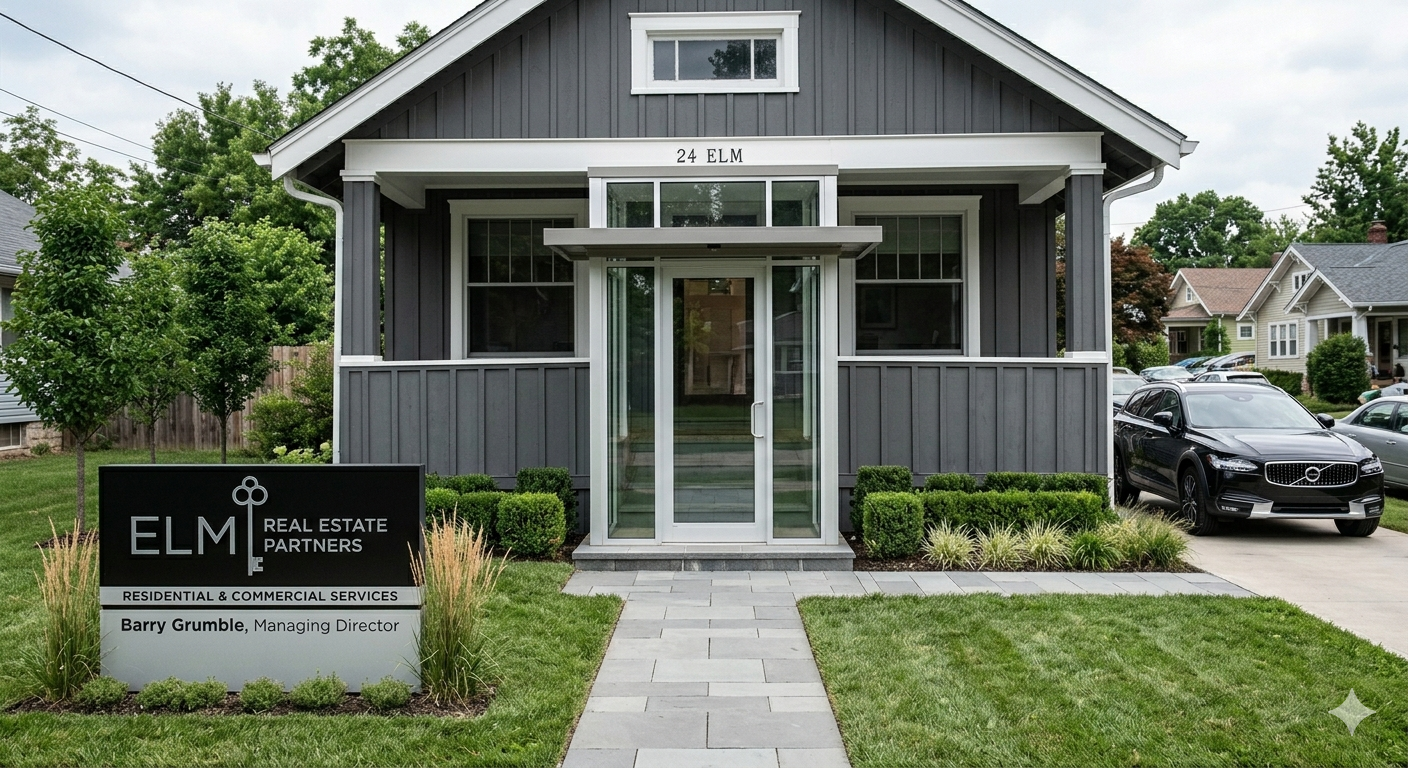
What Is a Multifamily Property?
A multifamily property is a residential building with two or more living units, where each unit has its own kitchen, bathroom, and separate entrance. Unlike single-family homes, these properties generate multiple streams of income from various tenants.
Builders and government officials often call multifamily homes “multi-dwelling units.” About 31.8 million of the 128.5 million housing units in the United States were in multifamily buildings as of 2021.
Types of Multifamily Properties
| Property Type | Number of Units | Financing Type | Best For |
| Duplex | 2 | Residential (FHA, Conventional, VA) | Beginners, house hackers |
| Triplex | 3 | Residential | First-time investors |
| Fourplex | 4 | Residential | Maximum units for FHA financing |
| Apartment Building | 5+ | Commercial | Experienced investors |
Key Distinction: Properties with four or fewer units are considered residential real estate and qualify for standard home loans. Properties with five or more units are commercial real estate and require commercial financing, which typically demands higher down payments.
In mortgage lending, a property with two, three, or four housing units is referred to as a multifamily home. Buildings with five or more units are subject to commercial finance regulations.
Why Buy a Multifamily Property? 5 Key Benefits
Experienced investors call multifamily properties “triple-headed monsters” because of the three major financial benefits that come with this type of investment.
1. Multiple Income Streams (Lower Vacancy Risk)
With a single-family home, you have one tenant and one stream of income. If that tenant leaves, your cash flow drops to zero.
With a multifamily property, one vacancy doesn’t destroy your entire income. You have multiple units generating reliable income, which reduces the financial impact of empty units.
2. House Hacking – Live for Free
This is the #1 reason beginners get into multifamily. You buy a property, live in one unit, and rent out the others. Your tenants’ rent covers most or all of your mortgage payment.
Real Example: Mike Newton bought a $450,000 duplex outside Seattle with just 5% down using owner-occupied financing. He lived in one unit, rented the other, and even found a roommate for his unit. The rent from his tenants covered the majority of his monthly mortgage payment.
3. Build Wealth Through Equity and Appreciation
As you live in the property, you’re building equity. Over time, this equity grows, giving you the ability to refinance or sell the property for a profit. Plus, multifamily properties often deliver solid long-term returns due to stable rental income and consistent rental demand.
4. Economies of Scale (One Roof, Multiple Units)
If you buy a three-family property, you only have one roof to replace, one driveway to shovel, and one set of shared hallways to maintain. Compare that to managing three separate single-family homes across different locations.
Centralizing maintenance, repairs, and property management reduces per-unit operational costs.
5. Tax Benefits
The IRS allows you to deduct mortgage interest, property taxes, insurance, and depreciation on rental properties. Many investors use these deductions to offset their taxable income. IRS Publication 527 covers residential rental property tax rules.
Key Fact: According to real estate investors, “the cash flow and cap rates are a lot better” on multifamily properties. One investor noted that “it’s a more lucrative and safe investment” compared to single-family rentals.
How Much Money Do You Need to Buy a Multifamily Property?
Before you start looking at properties, you need to understand how much money you’ll need. This is the #1 question on every beginner’s mind.
Down Payment Requirements by Loan Type
The amount you need for a down payment depends on two things:
- Whether you’ll live there (owner-occupied) or not (investment)
- The type of loan you qualify for
| Loan Type | Down Payment | Credit Score Required | Occupancy Rule |
| FHA Loan | 3.5% down | 580+ | Must live in one unit within 60 days |
| VA Loan | 0% down | Varies by lender | Must live in one unit |
| Fannie Mae Conventional | 5% down | 620-640 | Must live in one unit |
| Conventional Investment | 20-25% down | 640-700 | No occupancy requirement |
| Commercial Loan | 20-30% down | Business credit | No occupancy requirement |
The most important distinction: Owner-Occupied vs. Investment
Before any financing conversation, you need to be honest about which side of this line you are on.
- Owner-occupied multifamily: You intend to live in one unit as your primary residence for at least 12 months after closing.
- Investment multifamily: You do not intend to live there at all.
The financing options, down payment requirements, interest rates, and underwriting rules are dramatically different between these two categories.
Key Fact: FHA allows 3.5% down with a credit score of 580 or higher for two-, three-, and four-unit properties as long as you intend to occupy one of the units within 60 days of closing.
Additional Costs to Budget For
Beyond the down payment, you’ll need money for:
Closing costs: Typically 2-5% of the purchase price (includes appraisals, inspections, loan origination, title insurance).
Cash reserves: Lenders often require 3-6 months of mortgage payments in cash reserves, especially for three- and four-unit properties.
Renovation costs: If you’re buying a fixer-upper, you’ll need a CapEx (Capital Expenditure) budget of $3,000 to $10,000 per unit or more.
Real Example: On a $400,000 duplex with a $3,500 monthly payment, you’d need roughly $20,000 down (5%), $12,000 in closing costs, and $21,000 in reserves (6 months) – about $53,000 in total liquid funds at closing.
Can You Buy a Multifamily Property With No Money Down?
This is the most common question beginners ask – and also where the most scams exist.
The Reality (Debunking the Scams)
If someone promises you can buy a multifamily property with absolutely no money, be very skeptical. Most legitimate strategies require some capital, sweat equity, or creative deal structuring.
The average down payment for an investment property is 20-25%. However, there are several legitimate ways to get started with very little money down.
Legitimate Low-to-No Money Down Strategies
- VA Loan (0% Down)
If you’re a veteran, active-duty service member, or qualifying surviving spouse, you can buy a two- to four-unit property with zero down using a VA loan. - FHA Loan (3.5% Down)
This is the most common path for beginners. With a 580 credit score, you can put down just 3.5% on an owner-occupied 2-4 unit property. - Seller Financing
The seller acts as the bank. You make payments directly to them instead of getting a traditional mortgage. - Partnerships
You can partner with someone who has the capital while you bring the labor, property management skills, or deal-finding ability. - House Hacking (The Most Realistic Strategy)
Using an FHA or VA loan, you can buy a 2-4 unit property, live in one unit, and rent the others. Your rental income helps cover your mortgage payment.
Key Fact: VA loans allow eligible veterans to buy a two- to four-unit property with zero down, as long as they occupy one of the units as their primary residence.
Warning: Misrepresenting your occupancy intent to qualify for owner-occupied financing on what is actually an investment property is mortgage fraud, with criminal penalties under federal law.
How to Buy a Multifamily Property: 8-Step Process
Now let’s get into the meat of the process. Here’s your step-by-step roadmap.
Step 1: Choose a Market (Location Matters)
You’ve heard “location, location, location” – and it’s true. Even the best property can struggle in a weak market.
What to look for in a market:
- Job growth: Are employers moving in or out? Look for cities attracting tech, logistics, healthcare, or education sectors.
- Population growth: Are people moving in? A growing population supports long-term occupancy and rent growth.
- Crime rates: Avoid high-crime areas unless you’re experienced in turnaround plays.
- Infrastructure: Look for new roads, expanding public transit, and city investment. If Starbucks, Whole Foods, or Amazon are building nearby, that’s usually a good sign.
- Rental demand: Check vacancy rates and rent growth. You want to be in a place where units lease quickly and rents are on the rise.
Step 2: Get Preapproved for a Loan
Before you start touring properties, get preapproved for a mortgage. This tells you exactly how much you can borrow and shows sellers you’re serious.
What you’ll need:
- Proof of income
- Tax returns
- Bank statements
- Credit report
- List of assets
Step 3: Build Your Power Team
You can’t do this alone – and you shouldn’t.
Your team should include:
- A multifamily broker who understands your target market
- A mortgage broker who knows investment property financing
- A property manager (even if you plan to self-manage short-term)
- A real estate attorney to review contracts and keep you compliant
- A CPA who understands real estate tax advantages
Step 4: Search for Deals
There are multiple ways to find multifamily properties:
- MLS (Multiple Listing Service)
Your real estate agent can set you up with automatic alerts for new listings. - Off-market deals
Many of the best multifamily deals never hit the MLS. Network with wholesalers, property managers, and other investors. - Online auctions
Foreclosures and tax sales can offer significant discounts. - Direct mail
Some investors send letters to owners of multifamily properties who might be willing to sell off-market.
Step 5: Analyze the Deal (Run the Numbers)
This is where many beginners make mistakes. You need to analyze every deal using these key metrics:
Net Operating Income (NOI)
NOI = Gross Rental Income – Operating Expenses (taxes, insurance, maintenance, management fees, vacancy allowance of 5-10%).
Cap Rate
Cap Rate = NOI / Purchase Price. A good Cap Rate for multifamily is typically between 5% and 10%, depending on location and property class.
Cash-on-Cash Return
Cash-on-Cash Return = Annual Cash Flow / Total Cash Invested. This shows how hard your money is working.
DSCR (Debt Service Coverage Ratio)
DSCR = NOI / Total Debt Service. Most lenders require DSCR between 1.20x and 1.35x.
Real Example: If you buy a fourplex for $500,000 with $100,000 in rental income and $30,000 in expenses, your NOI is $70,000. Cap Rate = $70,000 / $500,000 = 14%. That’s a strong return.
Step 6: Make an Offer and Negotiate
Once you’ve found a deal that works, you need to move fast. Start with a Letter of Intent (LOI) outlining your terms, then proceed to a formal Purchase and Sale Agreement once it’s accepted.
Negotiate with clarity, be firm but respectful, and always leave room for due diligence to confirm your assumptions.
Step 7: Conduct Due Diligence
This is your opportunity to verify everything the seller claimed.
Due Diligence Checklist:
- Physical inspection: Building age, foundation, roof, plumbing, electrical systems
- Rent roll review: Verify all tenants and rent amounts
- Financial statements: Verify income and expenses for the past 3 years
- Lease review: Check terms, deposits, month-to-month vs. annual
- Title search: Confirm clear ownership, identify any existing liens
- Zoning verification: Confirm number of kitchens matches what the city has on record
- Code compliance: Check building codes and rental permits
Key Fact: A home inspection typically costs $300-$500 and can save you thousands in unexpected repairs. Never skip this step.
Step 8: Close and Manage (Or Hire a Property Manager)
With financing locked in and due diligence complete, you move to closing day. But this is just the beginning.
Once you take ownership, your business plan kicks off:
- Renovations (if needed)
- Rent adjustments
- Marketing and leasing strategies
- Expense management
Track your KPIs weekly and treat this like the business it is.
The 4-3-2-1 Strategy: A Beginner’s Roadmap
If you’re feeling overwhelmed, here’s a simple strategy to follow:
- Start with a fourplex – Maximize rental income from day one
- Move to a triplex – Increase cash flow while applying lessons learned
- Then a duplex – Continue growing income and gain more experience
- Finally a single-family home – By now you have cash flow, confidence, and a strong foundation
This “start big, move small” approach maximizes your income potential, reduces risk, and builds your portfolio step by step.
Key Fact: This approach works because multi-family properties generate multiple rental incomes from day one, giving you hands-on experience while reducing your risk of overextending.
How to Find Multifamily Property Deals
5 Ways to Find Deals
- Multiple Listing Service (MLS)
Your real estate agent can set you up with automatic alerts for new listings matching your criteria. - Off-Market Deals
Many of the best multifamily deals are never listed on the MLS. You need to network with wholesalers, property managers, and other investors. - Online Auctions
Foreclosures and tax sales can offer significant discounts. - Property Management Companies
These companies often know sellers before properties hit the market. - Real Estate Investor Meetups
Networking with other investors can lead to off-market opportunities.
What to Look For in a Good Deal
- Location: Job growth, population growth, good schools, low crime
- Numbers: Positive cash flow, good Cap Rate, strong DSCR
- Condition: Deferred maintenance is a red flag
- Rent Roll: Are rents below market? There may be value-add opportunity
Key Fact: BiggerPockets recommends building relationships with property management companies because they often know sellers before properties hit the market.
How to Analyze a Multifamily Deal (The Numbers)
Key Metrics You Must Know
Gross Rental Income
The total rental income from all units before expenses.
Net Operating Income (NOI)
NOI = Gross Rental Income – Operating Expenses
Cap Rate
Cap Rate = NOI / Purchase Price
Cash-on-Cash Return
Cash-on-Cash Return = Annual Cash Flow / Total Cash Invested
Debt Service Coverage Ratio (DSCR)
DSCR = NOI / Total Debt Service
How to Run the Numbers (Example)
| Metric | Calculation | Example Value |
| Gross Rental Income | 4 units × $1,500/month × 12 months | $72,000 |
| Operating Expenses | Taxes, insurance, maintenance, management | -$25,000 |
| NOI | $72,000 – $25,000 | $47,000 |
| Purchase Price | Property cost | $400,000 |
| Cap Rate | $47,000 / $400,000 | 11.75% |
| Annual Cash Flow | NOI – Debt Service | $47,000 – $35,000 = $12,000 |
| Cash Invested | Down payment + closing costs | $80,000 |
| Cash-on-Cash Return | $12,000 / $80,000 | 15% |
Common Mistakes in Deal Analysis
- Underestimating operating expenses
- Not accounting for vacancy
- Ignoring capital expenditures
- Not verifying the rent roll
- Overestimating rent growth
Key Fact: A good Cap Rate for multifamily is typically between 5% and 10%, depending on location and property class. DSCR below 1.0 means the property doesn’t generate enough income to cover the debt – a red flag for lenders and investors.
Multifamily Due Diligence Checklist
What to Inspect Before You Buy
Physical Inspection
- Foundation
- Roof
- Plumbing
- Electrical systems
- HVAC
- Structural integrity
Financial Review
- Rent roll (verify all tenants and rent amounts)
- Operating expenses (last 3 years)
- Tax records
- Insurance claims history
Lease Review
- Lease terms
- Security deposits
- Month-to-month vs. annual leases
- Lease violations history
Title Search
- Confirm clear ownership
- Identify any existing liens
- Check for easements
Zoning and Code Compliance
- Confirm number of kitchens matches city records
- Check building codes
- Verify rental permits
Red Flags to Watch For
- Deferred maintenance
- High vacancy rate
- Below-market rents
- Major repairs needed
- Environmental issues
- Zoning violations
- Uncooperative seller during inspection
Key Fact: Deferred maintenance is one of the biggest risks in multifamily investing.
Managing Your Multifamily Property
Self-Manage vs. Hire a Property Manager
Self-Managing:
- Saves 8-12% of gross rental income
- Requires time, effort, and landlord skills
- You handle tenant screening, maintenance, rent collection, evictions
Hiring a Property Manager:
- Frees up your time
- Costs 8-12% of gross rental income
- Professional handles all day-to-day operations
Finding Good Tenants
- Run credit checks
- Run background checks
- Verify employment and income
- Check rental history
- Follow Fair Housing laws (you cannot discriminate based on race, religion, gender, or familial status)
Legal Considerations
- Understand local eviction laws
- Be aware of rent control regulations
- Follow Fair Housing laws
- Maintain proper insurance coverage
Key Fact: Property management fees typically range from 8% to 12% of gross rental income. Fair Housing laws apply to tenant screening – you cannot discriminate based on race, religion, gender, or familial status.
Common Mistakes to Avoid
1. Underestimating Maintenance Costs
A common rule of thumb is to budget 15% of rental income for maintenance and 8-10% for property management.
2. Not Having Cash Reserves
The #1 mistake beginners make is not having enough cash reserves for unexpected repairs or vacancies.
3. Skipping Due Diligence
Never skip the inspection, title search, or rent roll verification. This is where many deals fall apart – and that’s okay. Better to find problems before closing than after.
4. Trusting “Guru” Promises
If it sounds too good to be true, it usually is. Do your own research.
5. Overpaying for the Property
Run the numbers on every deal. Don’t fall in love with a property – fall in love with the numbers.
6. Being a “Hands-Off” Landlord From Day One
Real estate investing is not entirely passive, especially at the beginning. Be prepared to work.
Key Fact: The #1 mistake beginners make is not having enough cash reserves for unexpected repairs or vacancies. A common rule of thumb is to budget 15% of rental income for maintenance.
How to Scale: From One Property to a Portfolio
BRRRR Strategy
Buy, Rehab, Rent, Refinance, Repeat. This strategy allows you to recycle your capital into new deals.
1031 Exchange
A 1031 Exchange allows you to sell an investment property and reinvest the proceeds into a new one without paying capital gains taxes.
Moving to Large Multifamily (5+ Units)
Once you have experience with 2-4 unit properties, you can move to larger apartment buildings using commercial financing.
Syndication – Investing Passively
For investors who want to move beyond 2-4 units, syndication allows you to pool capital with other investors to buy larger apartment buildings. This is a passive investing strategy where you become a Limited Partner.
Building a Strong Team
As you scale, you’ll need:
- A real estate attorney
- A CPA
- A property manager
- A lender who understands investment properties
- A mentor or experienced investor
Key Fact: A 1031 Exchange allows you to sell an investment property and reinvest the proceeds into a new one without paying capital gains taxes. Syndication is considered by many investors to be the best discovery in real estate investing.
Frequently Asked Questions
Can I buy a multifamily property as a first-time homebuyer?
Yes! In fact, many experts consider multifamily investing a “fantastic entry-level investing approach” because you can use residential loans with low down payment programs if you intend to occupy the property.
How much down payment do I need for a multifamily property?
It depends on the loan type. For owner-occupied properties, FHA loans require 3.5% down, VA loans require 0% down, and conventional loans allow 5% down. For investment properties without owner occupancy, you’ll typically need 20-25% down.
What is a good cap rate for multifamily?
A good Cap Rate for multifamily is typically between 5% and 10%, depending on location and property class.
Is it better to buy a duplex or a single-family home?
For most beginners, a duplex is better because you can house hack and get rental income immediately. One investor calls house hacking “one of the safest ways that you can start investing in real estate.”
How do I get a multifamily loan with no money down?
The only legitimate zero-down path for multifamily is a VA loan (for veterans). FHA offers 3.5% down, which is the most common low-down payment option. Be very skeptical of anyone promising “no money down” without VA eligibility.
What is the FHA self-sufficiency test?
For three- and four-unit properties, FHA requires that projected rental income must cover the entire monthly mortgage payment. This is called the “self-sufficiency test” and is a key requirement for FHA financing on larger multifamily properties.
Do I need to live in the property to get an FHA loan?
Yes. FHA loans require you to live in one unit of the property within 60 days of closing and maintain occupancy for at least 12 months.
What is the 1% rule in real estate?
The 1% rule states that a property’s monthly rent should be at least 1% of its purchase price. For example, a $300,000 property should rent for at least $3,000 per month. This is a quick screening tool for cash flow potential.
What are the risks of buying multifamily property?
The main risks include vacancy, bad tenants, maintenance costs, economic downturns, and overleveraging. Proper due diligence, cash reserves, and conservative underwriting help mitigate these risks.
How do I know if a multifamily deal is good?
Run the numbers. Calculate NOI, Cap Rate, Cash-on-Cash Return, and DSCR. Verify the rent roll and operating expenses. Ensure positive cash flow. Don’t skip due diligence.
Start Your Multifamily Investing Journey Today
Buying a multifamily property is one of the smartest ways to build wealth. You get multiple income streams, tax benefits, and the opportunity to house hack and live for free while tenants pay your mortgage.
Success in multifamily investing depends on thorough market knowledge, accurate property analysis, and experienced guidance throughout the process. Start by researching your market, getting preapproved, and building your team.
Ready to Take the Next Step?
Axis Referral connects you with trusted real estate professionals and exclusive leads to help you grow your portfolio. With our extensive network of verified professionals, we help you find the right opportunities in the markets that matter most.
Whether you’re looking for your first duplex or ready to scale to a fourplex, Axis Referral can help you find qualified prospects and connect with the right partners. Our intelligent matching engine analyzes real-time data to connect you with opportunities that truly fit your business.
Join Axis Referral today and start building your multifamily portfolio with confidence. Our team of industry experts provides free consultations, ongoing support, and high-quality leads to help you succeed in real estate investing.
Disclaimer: This article is for educational purposes only and does not constitute financial, legal, or investment advice. Always consult with qualified professionals before making investment decisions.